The Living World
Exploring the incredible diversity of life on Earth — from the tiniest microorganism to the largest whale
In this chapter
Biology is the science of life forms and living processes. The living world comprises an amazing diversity of living organisms. Early man could easily perceive the difference between inanimate matter and living organisms. The description of living organisms, including human beings, began much later in human history. Societies which indulged in an anthropocentric view of biology could register limited progress in biological knowledge.
Systematic and monumental description of life forms brought in, out of necessity, detailed systems of identification, nomenclature and classification. The biggest spin-off of such studies was the recognition of the sharing of similarities among living organisms — both horizontally and vertically. That all present-day living organisms are related to each other and also to all organisms that ever lived on this earth was a revelation which humbled man and led to cultural movements for conservation of biodiversity.
1.1 Diversity in the Living World
If you look around you will see a large variety of living organisms — potted plants, insects, birds, your pets or other animals and plants. There are also several organisms that you cannot see with your naked eye but they are all around you. If you were to increase the area of observation, the range and variety of organisms you see would increase. A dense forest would reveal a much greater number and kinds of living organisms.
Each different kind of plant, animal or organism that you see represents a species. The number of species that are known and described ranges between 1.7–1.8 million. This refers to biodiversity — the number and types of organisms present on earth. As we explore new areas, and even old ones, new organisms are continuously being identified.
There are millions of plants and animals in the world; we know them in our own area by their local names. These local names vary from place to place, even within a country. Imagine the confusion if we did not find ways and means to talk to each other, to refer to organisms we are talking about. Hence, there is a need to standardise the naming of living organisms.
1.2 Nomenclature & Identification
The process of standardising the naming of living organisms is called nomenclature. Obviously, naming is only possible when the organism is described correctly and we know to what organism the name is attached. This is identification.
In order to facilitate the study, scientists have established procedures to assign a scientific name to each known organism. This is acceptable to biologists all over the world.
ICBN
For plants, scientific names are based on agreed principles and criteria provided in the International Code of Botanical Nomenclature (ICBN).
ICZN
For animals, taxonomists have evolved the International Code of Zoological Nomenclature (ICZN) to govern naming.
The scientific names ensure that each organism has only one name. Description of any organism should enable people in any part of the world to arrive at the same name. They also ensure that such a name has not been used for any other known organism.
1.3 Binomial Nomenclature
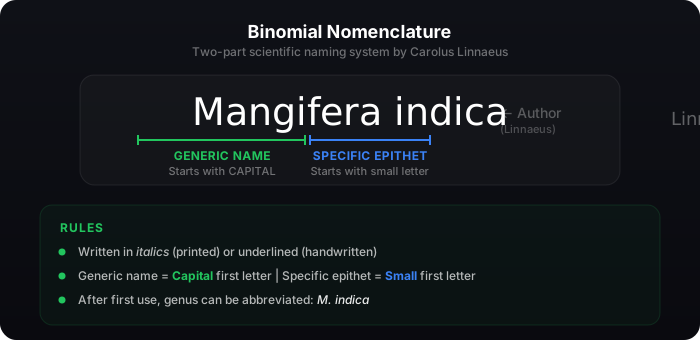
Biologists follow universally accepted principles to provide scientific names to known organisms. Each name has two components — the Generic name and the Specific epithet. This system of providing a name with two components is called Binomial Nomenclature.
This naming system, given by Carolus Linnaeus, is being practised by biologists all over the world.
1. The biological name should be written in italics (when printed) or underlined (when handwritten).
2. The first word — the generic name — starts with a capital letter.
3. The second word — the specific epithet — starts with a small letter.
4. The name of the author appears after the specific epithet, in abbreviated form. e.g., Mangifera indica Linn. indicates that this species was first described by Linnaeus.
Example: Mangifera indica
The mango belongs to the genus Mangifera and the species is indica. The full scientific name is written as Mangifera indica Linn. — where "Linn." indicates that Linnaeus first described this species.
Similarly, human beings belong to the species sapiens which is grouped in the genus Homo. The scientific name for humans is written as Homo sapiens.
• Mangifera indica — Mango
• Homo sapiens — Human being
• Panthera tigris — Tiger
• Nelumbo nucifera — Lotus
• Oryza sativa — Rice
1.4 Classification & Taxonomy
Since it is nearly impossible to study all living organisms, we must devise some means to make this possible. This process is classification — the process by which anything is grouped into convenient categories based on easily observable characters.
For example, we easily recognise groups such as plants, animals, dogs, cats or insects. The moment we use any of these terms, we associate certain characters with the organism in that group. What image do you see when you think of a dog? Obviously, each one of us will see "dogs" and not "cats."
The scientific term for these categories is taxa (singular: taxon). "Plants" also form a taxa. "Wheat" is also a taxa. "Animals", "Mammals", "Dogs" are all taxa — but a dog is a mammal and mammals are animals. Therefore, they represent taxa at different levels.
Taxonomy vs. Systematics
The branch of knowledge dealing with identification, nomenclature and classification is referred to as taxonomy. The term was coined by A.P. de Candolle.
Systematics is the term used to describe the study of diversification of living forms, both past and present, and the relationships among living organisms through time. Relationships are visualised as evolutionary trees.
Ernst Haeckel (1894) used the term 'systematics' to include identification, nomenclature and classification. Carl Linnaeus (1707–1778) used Systema Naturae as the title of his publication. The scope of systematics was later enlarged to include identification, nomenclature and classification. Systematics takes into account evolutionary relationships between organisms.
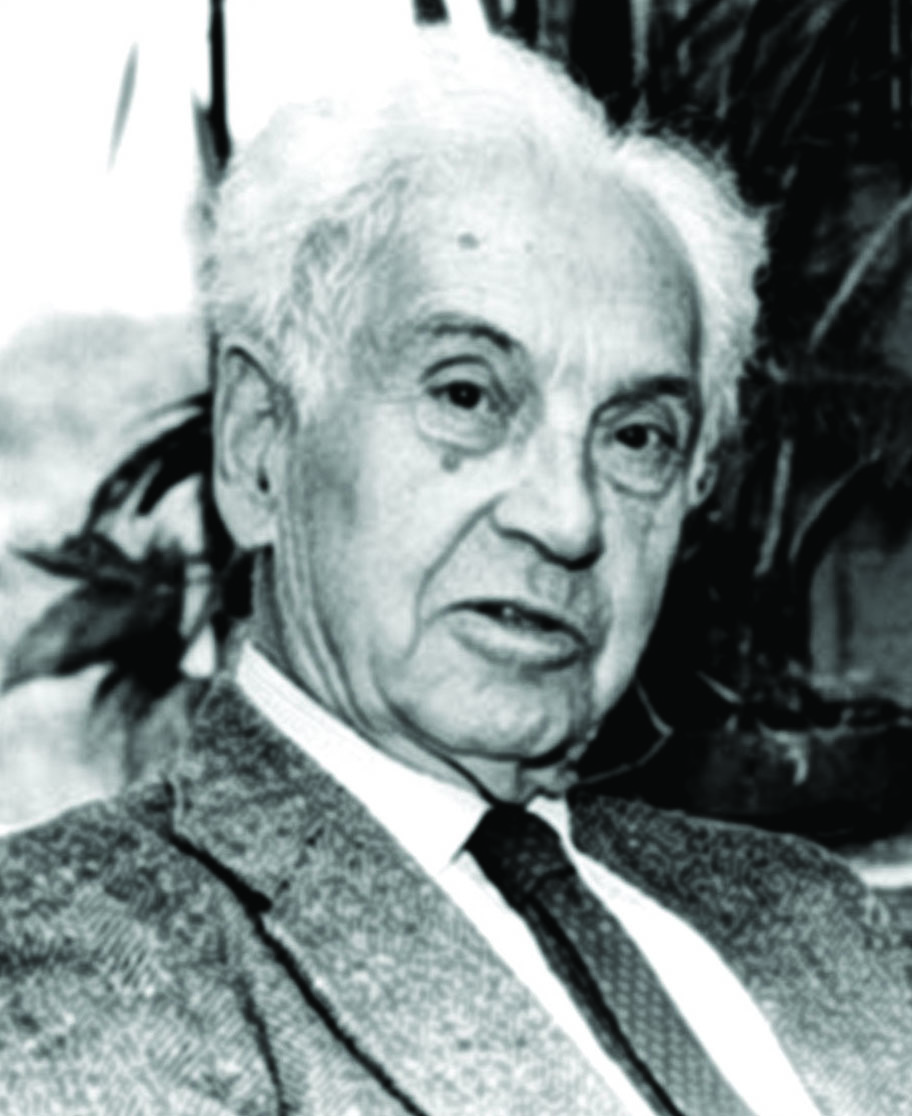
Born on 5 July 1904 in Kempten, Germany, Ernst Mayr was the Harvard University evolutionary biologist called "The Darwin of the 20th century." He was one of the 100 greatest scientists of all time.
Mayr joined Harvard's Faculty of Arts and Sciences in 1953 and retired in 1975, assuming the title Alexander Agassiz Professor of Zoology Emeritus. Throughout his nearly 80-year career, his research spanned ornithology, taxonomy, zoogeography, evolution, systematics, and the history and philosophy of biology.
He almost single-handedly made the origin of species diversity the central question of evolutionary biology. He also pioneered the currently accepted definition of a biological species. Mayr was awarded the three prizes widely regarded as the triple crown of biology: the Balzan Prize (1983), the International Prize for Biology (1994), and the Crafoord Prize (1999).
Mayr died at the age of 100 in 2004.
1.5 Taxonomic Categories
Classification is not a single-step process but involves a hierarchy of steps in which each step represents a rank or category. Since the category is a part of overall taxonomic arrangement, it is called the taxonomic category, and all categories together constitute the taxonomic hierarchy.
Each category, referred to as a unit of classification, in fact represents a rank and is commonly termed as taxon (pl. taxa). Taxonomical studies of all known organisms have led to the development of common categories such as kingdom, phylum (or division for plants), class, order, family, genus and species.
All organisms, including those in the plant and animal kingdoms, have species as the lowest category. The basic requirement is the knowledge of characters of an individual or group of organisms. This helps in identifying similarities and dissimilarities among individuals of the same kind of organisms as well as of other kinds.
Species
Taxonomic studies consider a group of individual organisms with fundamental similarities as a species. One should be able to distinguish one species from the other closely related species based on the distinct morphological differences.
For example, Mangifera indica (mango), Solanum tuberosum (potato) and Brassica oleracea (cabbage) are three different species. Let us look at another example: a housefly Musca domestica — morphologically there may be hundreds of houseflies, but they all belong to the same species because they can interbreed.
Genus
Genus comprises a group of related species which has more characters in common in comparison to species of other genera. We can say that genera are aggregates of closely related species.
For example, potato and brinjal are two different species but both belong to the genus Solanum. Lion (Panthera leo), leopard (P. pardus) and tiger (P. tigris) with several common features, are all species of the genus Panthera. This genus differs from another genus Felis which includes cats.
Family
Family has a group of related genera with still less number of similarities as compared to genus and species. Families are characterised on the basis of both vegetative and reproductive features of plant species.
Among plants: three different genera Solanum, Petunia and Datura are placed in the family Solanaceae. Among animals: genus Panthera (lion, tiger, leopard) is put along with genus Felis (cats) in the family Felidae. Similarly, if you observe the features of a cat and a dog, you will find some similarities and some differences. They are separated into two different families — Felidae and Canidae, respectively.
Order
Order being a higher category, is the assemblage of families which exhibit a few similar characters. The similar characters are less in number as compared to different genera included in a family.
Plant families like Convolvulaceae, Solanaceae are included in the order Polymoniales mainly based on the floral characters. The animal order Carnivora includes families Felidae and Canidae.
Class
Class includes related orders. For example, order Primata comprises monkey, gorilla and gibbon, and order Carnivora includes animals like lion, tiger, cat, dog. Both the orders — Primata and Carnivora — are included in class Mammalia.
Phylum (Division)
Classes with a few similar characters are assigned to a higher category called Phylum. In case of plants, classes with a few similar characters are assigned to a higher category called Division.
All vertebrates — including mammals, birds, reptiles, amphibians and fishes — are included in phylum Chordata, based on the common features like presence of notochord and dorsal hollow neural system.
Kingdom
All animals belonging to various phyla are assigned to the highest category called Kingdom Animalia in the classification system of animals. The Kingdom Plantae, on the other hand, is distinct and comprises all plants from various divisions.
1.6 Taxonomic Hierarchy
As we go higher from species to kingdom, the number of common characteristics goes on decreasing. Lower the taxa, more are the characteristics that the members within the taxon share. Higher the category, greater is the difficulty of determining the relationship to other taxa at the same level. Hence, the problem of classification becomes more complex.
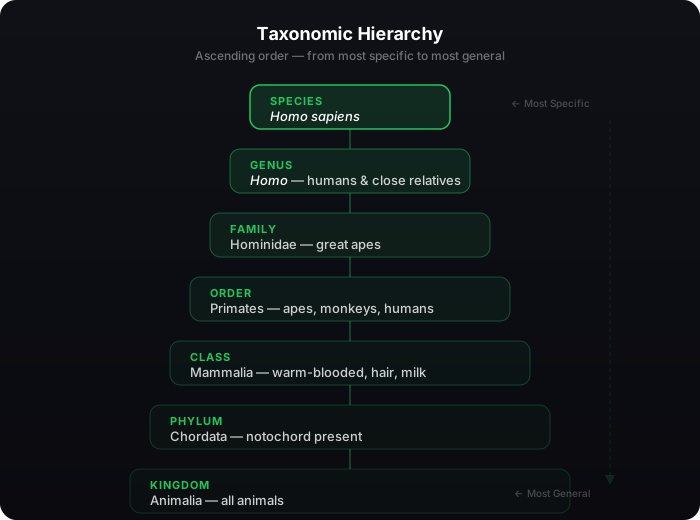
Memorise this helpful mnemonic: King Philip Came Over For Good Soup — representing Kingdom, Phylum, Class, Order, Family, Genus, Species.
Table 1.1 — Organisms with their Taxonomic Categories
| Common Name | Biological Name | Genus | Family | Order | Class | Phylum / Division |
|---|---|---|---|---|---|---|
| Man | Homo sapiens | Homo | Hominidae | Primates | Mammalia | Chordata |
| Housefly | Musca domestica | Musca | Muscidae | Diptera | Insecta | Arthropoda |
| Mango | Mangifera indica | Mangifera | Anacardiaceae | Sapindales | Dicotyledonae | Angiospermae |
| Wheat | Triticum aestivum | Triticum | Poaceae | Poales | Monocotyledonae | Angiospermae |
1.7 Taxonomic Aids
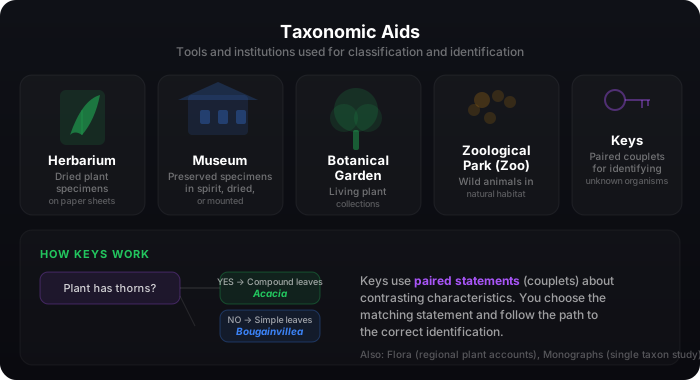
Classification doesn't happen in a vacuum — taxonomists rely on a variety of tools and institutions to collect, preserve, identify, and study organisms. These resources are called taxonomic aids.
- Herbarium — a collection of dried, pressed, and mounted plant specimens on sheets, systematically arranged. Each sheet carries labels with the plant's name, collector, date, and habitat.
- Museum — institutions where specimens are preserved and displayed. Specimens may be preserved in spirit (formalin), dried, or mounted.
- Botanical Garden — specialised gardens maintaining living plant collections. Examples: Royal Botanic Gardens at Kew, Indian Botanical Garden (Howrah).
- Zoological Park (Zoo) — facilities where wild animals are kept in conditions close to their natural habitat for conservation and education.
- Keys — tools for identification using paired statements (couplets) about contrasting characteristics.
1.8 Summary
• The living world is rich in variety. Millions of plants and animals have been identified and described, but a large number still remain unknown.
• In order to facilitate the study of kinds and diversity of organisms, biologists have evolved certain rules and principles for identification, nomenclature and classification of organisms — the branch known as taxonomy.
• The basics of taxonomy — identification, naming and classification — are universally evolved under international codes (ICBN for plants, ICZN for animals).
• Each organism is identified and assigned a correct scientific name comprising two words as per the binomial system of nomenclature (given by Linnaeus).
• An organism represents a place in the system of classification. There are many categories/ranks — generally referred to as taxonomic categories or taxa. All categories constitute a taxonomic hierarchy.
• The taxonomic studies of various species of plants and animals are useful in agriculture, forestry, industry and in general for knowing our bio-resources and their diversity.