Chemical Coordination and Integration
How hormones orchestrate the body's internal harmony — from growth and metabolism to reproduction and stress response
In this chapter
You have already learnt that the neural system provides point-to-point rapid coordination among organs. The neural coordination is fast but short-lived. As nerve fibres do not innervate all cells of the body and the cellular functions need to be continuously regulated, a special kind of coordination and integration has to be provided. This function is carried out by hormones. The neural system and the endocrine system jointly coordinate and regulate the physiological functions in the body.
19.1 Endocrine Glands and Hormones
Endocrine glands lack ducts and are hence called ductless glands. Their secretions are called hormones. The classical definition of a hormone as a chemical produced by endocrine glands and released into the blood and transported to a distantly located target organ has been updated by modern science. The current definition reads: Hormones are non-nutrient chemicals which act as intercellular messengers and are produced in trace amounts.
This broader definition covers a number of new molecules in addition to hormones secreted by the organised endocrine glands. Invertebrates possess very simple endocrine systems with few hormones, whereas a large number of chemicals act as hormones and provide coordination in the vertebrates.
Hormone — a non-nutrient chemical that acts as an intercellular messenger and is produced in trace amounts. Unlike neural signals that travel along nerve fibres, hormones travel through the bloodstream to reach distant target cells.
The human endocrine system is described in detail in the following sections.
19.2 Human Endocrine System
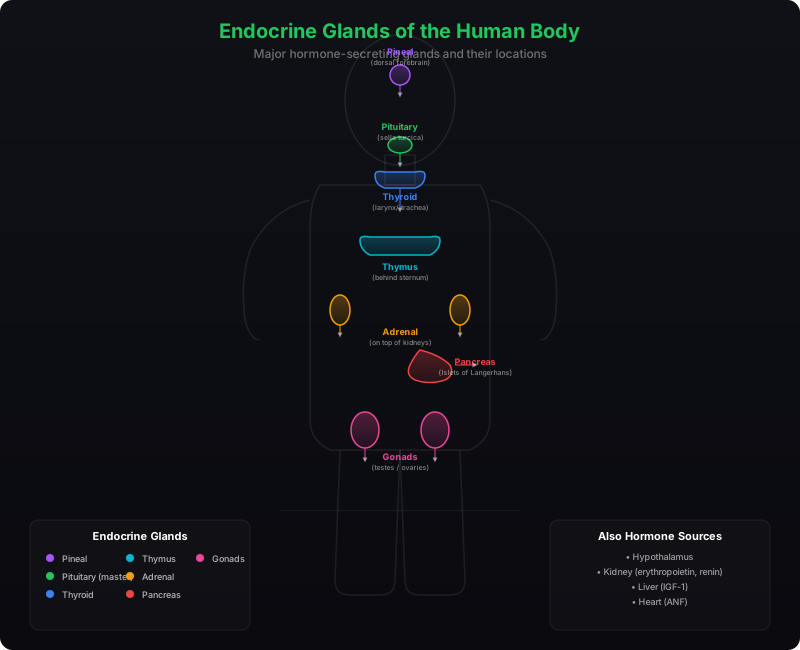
The endocrine glands and hormone-producing diffused tissues or cells located in different parts of the body constitute the endocrine system. The organised endocrine bodies include the pituitary, pineal, thyroid, adrenal, pancreas, parathyroid, thymus and gonads (testis in males and ovary in females). In addition, some other organs — the gastrointestinal tract, liver, kidney and heart — also produce hormones.
Hypothalamus
The master regulator linking the nervous and endocrine systems. Produces releasing and inhibiting hormones that control pituitary secretions.
Pituitary
The "master gland" that secretes multiple hormones regulating growth, reproduction, metabolism and other endocrine glands.
Thyroid
Located on the trachea; produces T3 and T4 to regulate basal metabolic rate, and thyrocalcitonin for calcium balance.
Adrenals
Sit atop each kidney. The medulla secretes stress hormones; the cortex produces corticoids for metabolism and electrolyte balance.
19.2.1 The Hypothalamus
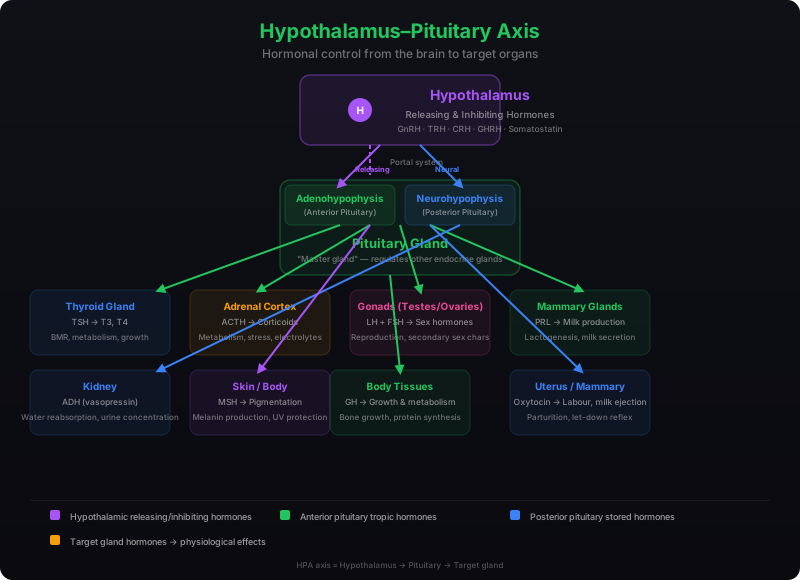
The hypothalamus is the basal part of the diencephalon of the forebrain. It regulates a wide spectrum of body functions and contains several groups of neurosecretory cells called nuclei, which produce hormones. These hormones regulate the synthesis and secretion of pituitary hormones.
Hypothalamic hormones are of two types: releasing hormones (which stimulate secretion of pituitary hormones) and inhibiting hormones (which inhibit secretions of pituitary hormones). For example, Gonadotrophin releasing hormone (GnRH) stimulates the pituitary synthesis and release of gonadotrophins. On the other hand, somatostatin from the hypothalamus inhibits the release of growth hormone from the pituitary.
These hormones originate in the hypothalamic neurons, pass through axons, and are released from their nerve endings. They reach the anterior pituitary gland through a portal circulatory system and regulate its functions. The posterior pituitary, however, is under direct neural regulation of the hypothalamus.
19.2.2 The Pituitary Gland
The pituitary gland is located in a bony cavity called sella turcica and is attached to the hypothalamus by a stalk. It is divided anatomically into an adenohypophysis and a neurohypophysis.
Adenohypophysis has two portions:
• Pars distalis (anterior pituitary) — produces GH, PRL, TSH, ACTH, LH and FSH
• Pars intermedia — secretes MSH (almost merged with pars distalis in humans)
Neurohypophysis (pars nervosa / posterior pituitary) — stores and releases oxytocin and vasopressin, both synthesised by the hypothalamus and transported axonally.
| Hormone | Source | Key Functions |
|---|---|---|
| Growth Hormone (GH) | Pars distalis | Stimulates growth of bones and tissues; over-secretion causes gigantism, under-secretion causes pituitary dwarfism |
| Prolactin (PRL) | Pars distalis | Regulates growth of mammary glands and milk formation |
| TSH | Pars distalis | Stimulates synthesis and secretion of thyroid hormones |
| ACTH | Pars distalis | Stimulates synthesis and secretion of glucocorticoids from adrenal cortex |
| LH | Pars distalis | Stimulates gonadal activity; in males, stimulates androgen synthesis; in females, induces ovulation and maintains corpus luteum |
| FSH | Pars distalis | Regulates spermatogenesis in males; stimulates growth and development of ovarian follicles in females |
| MSH | Pars intermedia | Acts on melanocytes and regulates skin pigmentation |
| Oxytocin | Posterior pituitary | Stimulates uterine contraction during child birth and milk ejection from mammary glands |
| Vasopressin (ADH) | Posterior pituitary | Stimulates water and electrolyte reabsorption by kidney distal tubules; reduces urine loss (anti-diuretic hormone) |
Acromegaly: Excess secretion of GH in adults (especially middle age) leads to severe disfigurement, particularly of the face, which may cause serious complications and premature death if unchecked.
Diabetes Insipidus: Impairment in synthesis or release of ADH reduces the kidney's ability to conserve water, leading to excessive water loss and dehydration.
19.2.3 The Pineal Gland
The pineal gland is located on the dorsal side of the forebrain and secretes a hormone called melatonin. Melatonin plays a very important role in the regulation of a 24-hour (diurnal) rhythm of our body. It helps in maintaining the normal rhythms of the sleep-wake cycle and body temperature. In addition, melatonin also influences metabolism, pigmentation, the menstrual cycle as well as our defence capability.
19.2.4 Thyroid Gland
The thyroid gland is composed of two lobes located on either side of the trachea, interconnected by a thin flap of connective tissue called the isthmus. The gland is composed of follicles and stromal tissues. Each thyroid follicle is made of follicular cells that enclose a cavity. These cells synthesise two hormones: tetraiodothyronine (T4) or thyroxine, and triiodothyronine (T3).
Iodine is essential for the normal rate of hormone synthesis in the thyroid. Deficiency of iodine in our diet results in hypothyroidism and enlargement of the thyroid gland, commonly called goitre. Hypothyroidism during pregnancy causes defective development and maturation of the growing baby, leading to stunted growth (cretinism), mental retardation, low intelligence quotient, abnormal skin, deaf-mutism, etc. In adult women, hypothyroidism may cause the menstrual cycle to become irregular.
Hyperthyroidism: Due to cancer of the thyroid gland or development of nodules, hormone synthesis increases to abnormally high levels, adversely affecting body physiology.
Exophthalmic goitre (Graves' disease): A form of hyperthyroidism characterised by enlargement of the thyroid gland, protrusion of the eyeballs, increased basal metabolic rate, and weight loss.
Thyroid hormones play an important role in the regulation of the basal metabolic rate (BMR). These hormones also support the process of red blood cell formation, control the metabolism of carbohydrates, proteins and fats, and influence the maintenance of water and electrolyte balance. The thyroid gland also secretes a protein hormone called thyrocalcitonin (TCT), which regulates blood calcium levels.
19.2.5 Parathyroid Gland
In humans, four parathyroid glands are present on the back side of the thyroid gland, one pair each in the two lobes. The parathyroid glands secrete a peptide hormone called parathyroid hormone (PTH). The secretion of PTH is regulated by the circulating levels of calcium ions.
PTH increases the Ca²⁺ levels in the blood. PTH acts on bones and stimulates the process of bone resorption (dissolution/demineralisation). PTH also stimulates reabsorption of Ca²⁺ by the renal tubules and increases Ca²⁺ absorption from digested food. It is thus clear that PTH is a hypercalcemic hormone — it increases blood Ca²⁺ levels. Along with TCT, it plays a significant role in calcium balance in the body.
19.2.6 Thymus
The thymus gland is a lobular structure located between the lungs, behind the sternum, on the ventral side of the aorta. The thymus plays a major role in the development of the immune system. This gland secretes the peptide hormones called thymosins, which play a major role in the differentiation of T-lymphocytes, providing cell-mediated immunity. In addition, thymosins also promote production of antibodies to provide humoral immunity. The thymus is degenerated in old individuals, resulting in a decreased production of thymosins and weakened immune responses.
19.2.7 Adrenal Gland
Our body has one pair of adrenal glands, one sitting above each kidney. The gland is composed of two types of tissue: the centrally located adrenal medulla and, surrounding it, the adrenal cortex.
Adrenal Medulla
The adrenal medulla secretes two hormones called adrenaline (epinephrine) and noradrenaline (norepinephrine). These are commonly called catecholamines. Adrenaline and noradrenaline are rapidly secreted in response to stress and during emergency situations and are called emergency hormones or hormones of Fight or Flight. These hormones increase alertness, pupilary dilation, piloerection (raising of hairs), sweating, heart beat, the strength of heart contraction, and the rate of respiration. Catecholamines also stimulate the breakdown of glycogen, resulting in an increased concentration of glucose in blood, and they stimulate the breakdown of lipids and proteins.
Addison's disease: Underproduction of hormones by the adrenal cortex alters carbohydrate metabolism, causing acute weakness and fatigue.
Adrenal Cortex
The adrenal cortex can be divided into three layers: zona reticularis (inner layer), zona fasciculata (middle layer), and zona glomerulosa (outer layer). The adrenal cortex secretes many hormones, commonly called corticoids.
Glucocorticoids
Involved in carbohydrate metabolism. The main glucocorticoid in humans is cortisol. It stimulates gluconeogenesis, lipolysis, proteolysis, and inhibits cellular uptake and utilisation of amino acids. Cortisol also produces anti-inflammatory reactions and suppresses the immune response.
Mineralocorticoids
Regulate water and electrolyte balance. The main mineralocorticoid is aldosterone. It acts on renal tubules, stimulating reabsorption of Na⁺ and water and excretion of K⁺ and phosphate ions, thus maintaining electrolyte balance, osmotic pressure and blood pressure.
The adrenal cortex also secretes small amounts of androgenic steroids which play a role in the growth of axial hair, pubic hair and facial hair during puberty.
19.2.8 Pancreas
The pancreas is a composite gland acting as both an exocrine and an endocrine gland. The endocrine pancreas consists of the Islets of Langerhans. There are about 1 to 2 million Islets of Langerhans in a normal human pancreas, representing only 1 to 2 per cent of the pancreatic tissue.
α-cells → Glucagon
A peptide hormone that maintains normal blood glucose levels. It acts mainly on liver cells, stimulating glycogenolysis (breakdown of glycogen to glucose) and gluconeogenesis (synthesis of glucose from non-carbohydrates), resulting in increased blood sugar (hyperglycemia). It is a hyperglycemic hormone.
β-cells → Insulin
A peptide hormone that acts on target cells to increase cellular glucose uptake and utilisation, resulting in decreased blood glucose (hypoglycemia). Insulin also stimulates conversion of glucose to glycogen (glycogenesis) in target cells. It is a hypoglycemic hormone.
Glucose homeostasis in blood is maintained jointly by two hormones — insulin (lowers blood glucose) and glucagon (raises blood glucose). Prolonged hyperglycemia leads to a complex disorder called diabetes mellitus, which is associated with loss of glucose through urine and formation of harmful compounds known as ketone bodies. Diabetic patients are successfully treated with insulin therapy.
19.2.9 Testis
A pair of testes is present in the scrotal sac (outside the abdomen) of male individuals. The testis performs dual functions as a primary sex organ as well as an endocrine gland. It is composed of seminiferous tubules and stromal or interstitial tissue. The Leydig cells (interstitial cells), present in the intertubular spaces, produce a group of hormones called androgens, mainly testosterone.
Androgens regulate the development, maturation and functions of the male accessory sex organs like the epididymis, vas deferens, seminal vesicles, prostate gland, urethra, etc. These hormones stimulate muscular growth, growth of facial and axillary hair, aggressiveness, low pitch of voice, etc. Androgens play a major stimulatory role in spermatogenesis (formation of spermatozoa). They act on the central neural system and influence male sexual behaviour (libido). These hormones produce anabolic (synthetic) effects on protein and carbohydrate metabolism.
19.2.10 Ovary
Females have a pair of ovaries located in the abdomen. The ovary is the primary female sex organ which produces one ovum during each menstrual cycle. In addition, the ovary also produces two groups of steroid hormones called estrogen and progesterone. The ovary is composed of ovarian follicles and stromal tissues.
Estrogen is synthesised and secreted mainly by the growing ovarian follicles. After ovulation, the ruptured follicle is converted to a structure called the corpus luteum, which secretes mainly progesterone.
Estrogens produce wide-ranging actions such as stimulation of growth and activities of female secondary sex organs, development of growing ovarian follicles, appearance of female secondary sex characters (e.g., high pitch of voice, etc.) and mammary gland development. Estrogens also regulate female sexual behaviour.
Progesterone supports pregnancy. It also acts on the mammary glands and stimulates the formation of alveoli (sac-like structures which store milk) and milk secretion.
19.3 Hormones of Heart, Kidney and Gastrointestinal Tract
In addition to the endocrine glands described above, hormones are also secreted by some tissues that are not classical endocrine glands.
The atrial wall of the heart secretes a very important peptide hormone called Atrial Natriuretic Factor (ANF), which decreases blood pressure. When blood pressure increases, ANF is secreted, causing dilation of blood vessels, which reduces blood pressure.
The juxtaglomerular cells of the kidney produce a peptide hormone called erythropoietin, which stimulates erythropoiesis (formation of red blood cells).
Endocrine cells present in different parts of the gastrointestinal tract secrete four major peptide hormones:
| Hormone | Source | Function |
|---|---|---|
| Gastrin | Stomach | Acts on gastric glands and stimulates secretion of hydrochloric acid and pepsinogen |
| Secretin | Duodenum | Acts on exocrine pancreas and stimulates secretion of water and bicarbonate ions |
| Cholecystokinin (CCK) | Duodenum | Acts on both pancreas and gall bladder, stimulating secretion of pancreatic enzymes and bile juice respectively |
| Gastric Inhibitory Peptide (GIP) | Duodenum | Inhibits gastric secretion and motility |
Several other non-endocrine tissues secrete hormones called growth factors. These factors are essential for the normal growth of tissues and their repairing/regeneration.
19.4 Mechanism of Hormone Action
Hormones produce their effects on target tissues by binding to specific proteins called hormone receptors located in the target tissues only. Hormone receptors present on the cell membrane of the target cells are called membrane-bound receptors, and the receptors present inside the target cell are called intracellular receptors (mostly nuclear receptors present in the nucleus).
Binding of a hormone to its receptor leads to the formation of a hormone-receptor complex. Each receptor is specific to one hormone only and hence receptors are specific. Hormone-receptor complex formation leads to certain biochemical changes in the target tissue. Target tissue metabolism and hence the physiological functions are regulated by hormones.
Classification by Chemical Nature
| Chemical Class | Examples |
|---|---|
| Peptide, Polypeptide, Protein hormones | Insulin, Glucagon, Pituitary hormones, Hypothalamic hormones |
| Steroids | Cortisol, Testosterone, Estradiol, Progesterone |
| Iodothyronines | Thyroid hormones (T3 and T4) |
| Amino-acid derivatives | Epinephrine (adrenaline) |
Two Mechanisms of Action
Membrane-Bound Receptors
Hormones that interact with membrane-bound receptors normally do not enter the target cell. Instead, they generate second messengers (e.g., cyclic AMP, IP₃, Ca²⁺, etc.) which in turn regulate cellular metabolism.
Intracellular Receptors
Hormones that interact with intracellular receptors (e.g., steroid hormones, iodothyronines) mostly regulate gene expression or chromosome function by the interaction of the hormone-receptor complex with the genome.
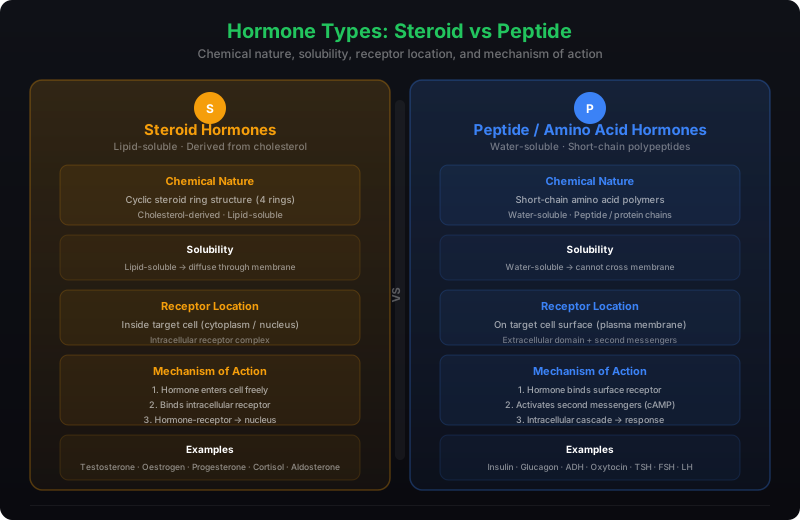
Cumulative biochemical actions of both pathways result in physiological and developmental effects.
19.5 Summary
• Special chemicals called hormones provide chemical coordination, integration and regulation in the human body. They regulate metabolism, growth and development of organs, endocrine glands or certain cells.
• The endocrine system comprises the hypothalamus, pituitary, pineal, thyroid, adrenal, pancreas, parathyroid, thymus and gonads. Some other organs — gastrointestinal tract, kidney, heart — also produce hormones.
• The pituitary gland has three parts: pars distalis (produces six trophic hormones), pars intermedia (secretes MSH), and pars nervosa (stores and releases two hormones: oxytocin and vasopressin).
• Pineal gland secretes melatonin, which regulates 24-hour (diurnal) rhythms including sleep-wake cycles and body temperature.
• Thyroid hormones regulate the basal metabolic rate, CNS development, erythropoiesis, and metabolism of carbohydrates, proteins and fats. Thyrocalcitonin (TCT) regulates blood calcium by decreasing it.
• PTH increases blood Ca²⁺ levels and plays a major role in calcium homeostasis.
• Thymosins play a major role in differentiation of T-lymphocytes (cell-mediated immunity) and promote antibody production (humoral immunity).
• Adrenal medulla secretes epinephrine and norepinephrine (Fight or Flight hormones), increasing alertness, heart beat, respiration, glycogenolysis, lipolysis and proteolysis.
• Adrenal cortex secretes glucocorticoids (stimulate gluconeogenesis, lipolysis, proteolysis, anti-inflammatory reactions) and mineralocorticoids (regulate water and electrolyte balance).
• Endocrine pancreas secretes glucagon (hyperglycemic: stimulates glycogenolysis and gluconeogenesis) and insulin (hypoglycemic: stimulates cellular glucose uptake, utilisation, and glycogenesis). Insulin deficiency causes diabetes mellitus.
• The testis secretes androgens (stimulate spermatogenesis, male secondary sex characters, libido). The ovary secretes estrogen (stimulates female secondary sex characters, mammary gland development) and progesterone (supports pregnancy and milk secretion).
• Non-endocrine tissues also produce hormones: heart (ANF), kidney (erythropoietin), and GI tract (gastrin, secretin, CCK, GIP). Growth factors are essential for tissue growth and repair.
• Hormones act by binding to specific receptors — membrane-bound receptors generate second messengers, while intracellular receptors regulate gene expression. Hormones are classified into peptides/proteins, steroids, iodothyronines, and amino-acid derivatives.